Need emergency tree removal services in Waynesville?
Tree down or stump in the way? Request a callback to check provider availability, or send a request and describe the job.
No obligation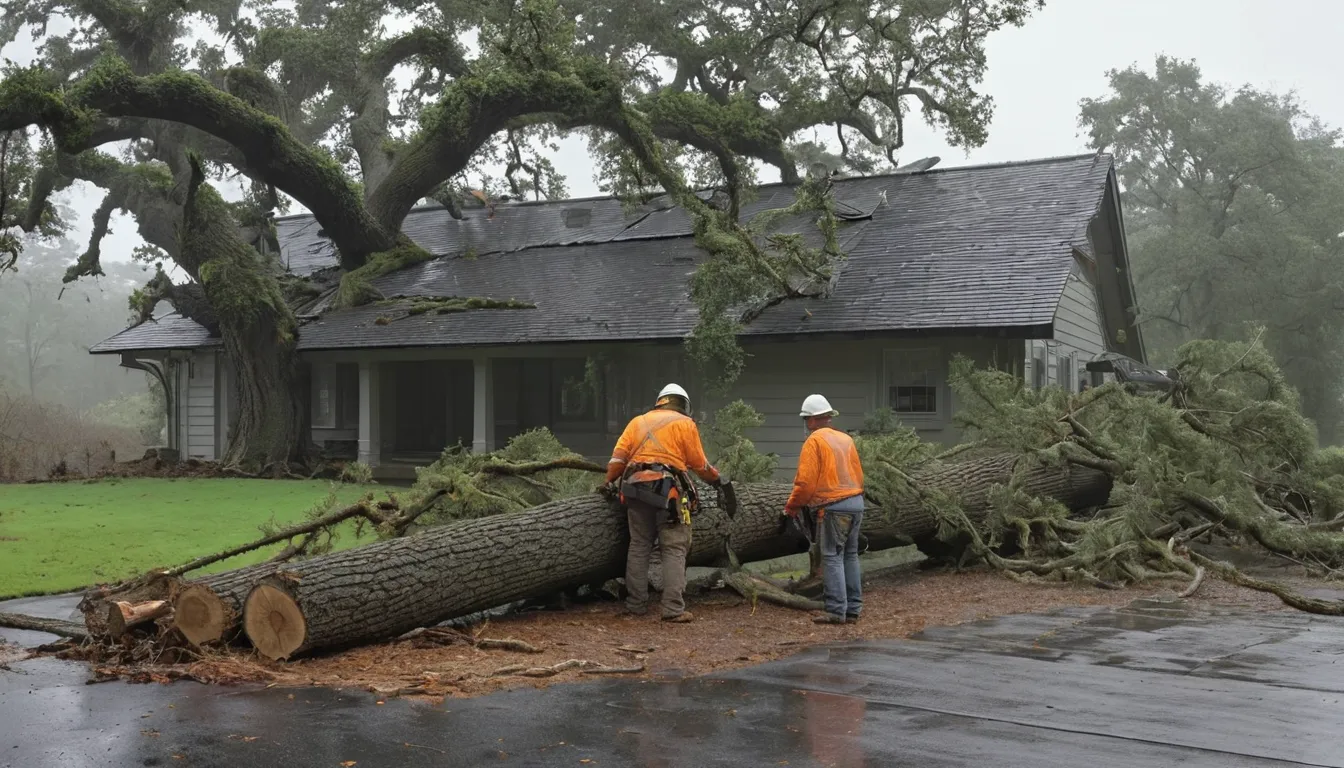
A tree on a roof, a trunk across the driveway, a limb hanging over the porch. These are emergency tree removal jobs. Commandis Tree Service is a referral service. It connects homeowners in Waynesville and the Waynesville area with independent providers who handle urgent tree work and storm tree clearance.
The providers do the cutting, lifting and hauling. Commandis Tree Service does not. Our job is to point you to a local provider who can look at your situation and give you a written quote. Availability varies by provider and by how busy the weather has made the area. Older homes get extra attention here, because aging roofs and past repairs change how a tree should come off the structure. Start with safety, take photos from a distance, then reach out.
A fallen tree looks still. It is not. Wood under tension can shift, and wires may be hidden in the branches. Stay clear until you know what the tree is touching.
Move people and pets indoors or well away from the tree. Then document the scene from where you stand. Work in this order:
Call 911 if anyone is hurt, a wire is down or sparking, or the tree has landed on a part of the house where people are. Report downed lines to the utility company. Do not touch the tree, a wet fence or standing water near it.
A tree problem is urgent when it threatens people, a structure or your way out. Typical cases:
Dead branches over an open yard, a stump left by a storm, or a stressed tree that still stands firm can usually be scheduled. A provider can help you sort urgent from routine when you describe what you see.
Providers in our network follow a similar order. Each step is meant to protect people first, then the structure.
The provider studies the tree, the load on the house and any nearby lines. The goal is to find where the weight sits and what must come off first.
Crews often cut a tree in sections and lower heavy pieces with ropes or lifting gear. This is called rigging. It keeps falling wood from striking a roof that is already damaged.
Limbs are cut to size and stacked or hauled away. Ask whether cleanup is part of the quote and whether the stump stays for later grinding.
Hail, high wind and severe thunderstorms can put dozens of trees on the ground in one night. Providers get busy. Expect triage: danger to people comes first, then damaged structures, then blocked driveways and yards.
Cold winters add complications. Ice-loaded limbs and frozen ground behave differently than summer wood and soil. Spring flooding loosens roots and can bring down trees that looked fine the week before.
Request a callback to check provider availability, and keep your photos handy. Many providers can respond quickly, but timing depends on the weather and their schedule.
Older frame houses, bungalows and ranch homes often carry aging roofs and years of past repairs. Those details change the plan.
A tree resting on old decking or thin rafters may be partly holding things up. Pulling it off too fast can shift the damage. Tell the provider the roof age and any earlier patches or repairs.
Older yards may hide clay sewer lines, old drain tile or abandoned pipes near the roots. A full basement with a sump pump can also be affected when a big root ball is disturbed. Mention where lines and the sump discharge run.
Some policies may cover sudden damage from a fallen tree. Check your policy for limits and deductibles. Providers can often help document damage for a claim with dated photos and written descriptions of the work.
Keep every receipt and quote. Ask your insurer what temporary protection, such as a tarp, they expect you to arrange.
A little attention before storm season lowers the odds of a bad night.
A short list keeps the conversation clear:
Sectional cutting and careful lifting to clear a tree from a roof, yard or driveway.
Cleanup of broken limbs and downed trunks after wind, hail or flooding leaves debris everywhere.
Hanging, split or cracked limbs taken down before they drop on people or property.
Rigging methods that limit extra load on aging roofs and past repairs.
Emergency work often costs more than planned jobs because of risk, equipment and urgency. These are typical U.S. ranges. Your price varies by job, so get a written quote.
| Item | Typical range | Notes |
|---|---|---|
| Small tree down in yard | $300 – $1,000 | Easy access, no structure involved |
| Large tree down, no damage | $1,000 – $3,000 | Size and access drive the price |
| Tree on roof or house | $1,500 – $5,000+ | Rigging and care for the structure |
| Crane or lift needed | $1,500 – $4,000 | Added when cutting by hand is unsafe |
| Hazard limb removal | $200 – $800 | Depends on height and reach |
| Storm debris cleanup | $300 – $1,500 | Hauling and chipping of multiple pieces |
Move everyone to a safe distance and keep away from the tree and any wires.
Photograph damage from afar for records and for the provider.
Request a callback or request an estimate to be matched with a provider.
Confirm scope, cleanup and timing in writing before work starts.
Safety first, then photos, then a provider. You always know what the next move is.
Independent providers who work in your area and understand local weather.
Extra planning for aging roofs, past repairs and hidden surprises.
Ask for a quote in writing before work begins, with no obligation.
Tree down or stump in the way? Request a callback to check provider availability, or send a request and describe the job.
No obligationGet everyone to a safe distance and call 911 if anyone is hurt or a wire is down. Then take photos from afar and contact a local provider for an assessment.
Typical U.S. prices run from about $300 for a small tree in the yard to $5,000 or more for a large tree on a house. Access, equipment and damage change the price, so ask for a written quote.
Some policies may cover sudden damage from a fallen tree, but limits and deductibles vary. Check your policy and talk to your insurer. Providers can often help document damage for a claim with photos and written details.
Tree down or stump in the way? Request a callback to check provider availability, or send a request and describe the job.
No obligation